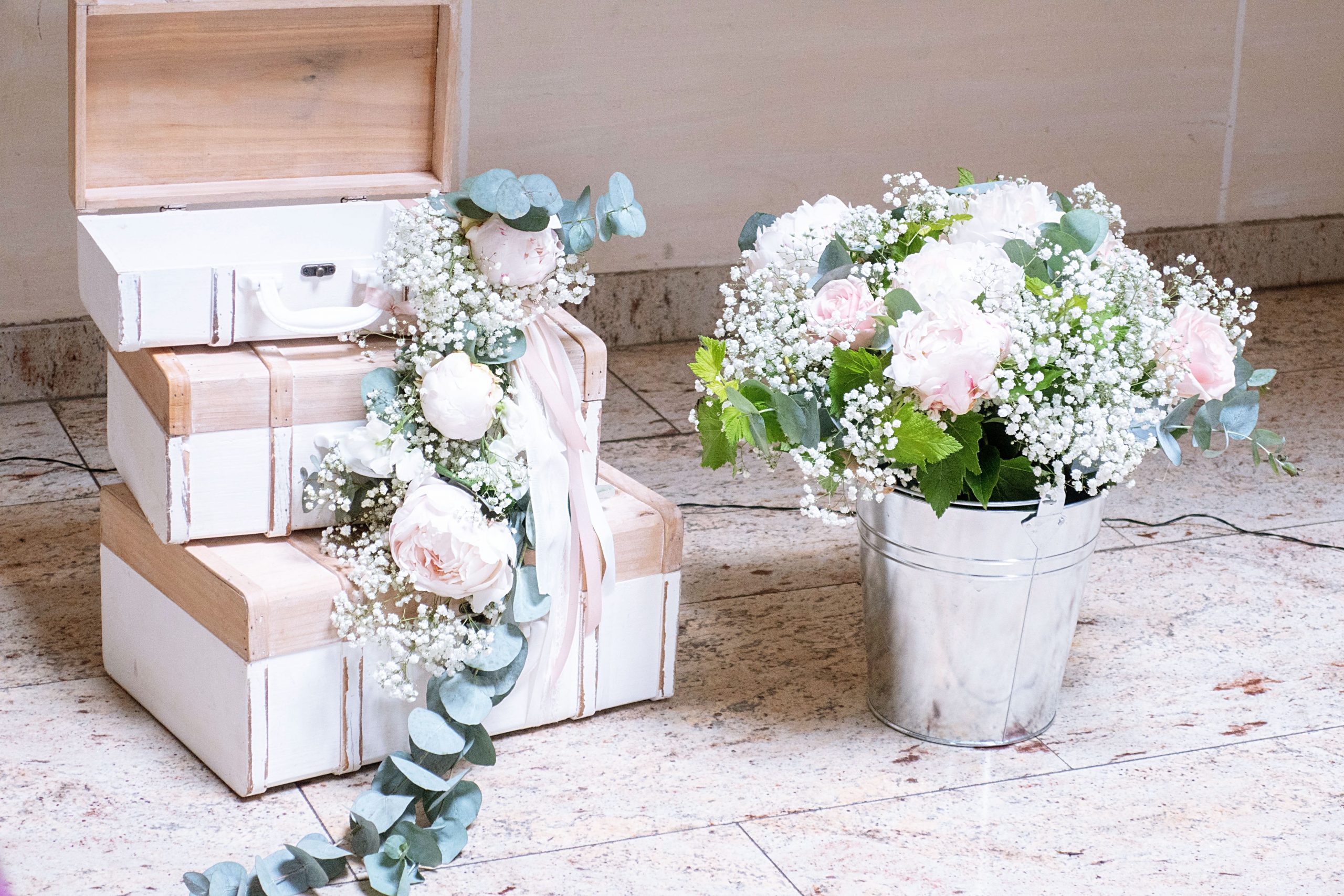


Giving a gift is one of the most personal and thoughtful ways a person can express love, appreciation, and care for someone special in their life. But across many cultures and long-standing traditions around the world, the gifts people choose carry meanings that go far beyond their surface value — and some of those meanings are surprisingly layered, complex, and even cautionary. Most people have heard at least one version of the belief that giving someone a handkerchief will bring tears and sadness to the relationship. But that is just the beginning of a much richer world of gift symbolism that spans cultures, generations, and traditions. From the type of flowers chosen for a bouquet to the number of items in a set, from clocks to knives to shoes, the hidden messages embedded in everyday gifts are fascinating, often unexpected, and genuinely worth knowing before the next occasion arrives. This guide explores the symbolic meanings — both positive and cautionary — behind some of the most commonly given gifts, so every choice is made with full awareness of what it might quietly communicate.
Flowers and Their Deeply Layered Symbolism
Flowers are among the most universally given gifts in the world, and their symbolic language — sometimes called floriography — is one of the richest and most historically documented gift symbol systems in existence. The meaning of a flower gift changes dramatically depending on the type of flower, its color, and even the number of stems in the arrangement. Understanding even the basics of flower symbolism helps any giver communicate exactly the right message and avoid inadvertently sending a very different one.
Red roses are the most globally recognized symbol of romantic love and deep affection — a single red rose communicates admiration and desire, while a dozen traditionally declares complete, devoted love. Yellow roses, however, carry a very different meaning in many Western traditions — historically associated with jealousy and dying love, though in more contemporary contexts they are often used to express friendship and warmth. White roses symbolize purity, new beginnings, and reverence, which is why they appear at both weddings and funerals — the same flower communicating very different sentiments depending on the occasion. Purple roses carry connotations of enchantment and love at first sight, making them a less conventional but deeply romantic choice.
Beyond roses, the cautionary symbolism of certain flowers is worth knowing. In many European traditions, giving a bouquet of chrysanthemums is strongly associated with grief, mourning, and funerals — an entirely appropriate gift for a memorial but a deeply unfortunate one for a birthday or anniversary. Similarly, yellow carnations in some cultures carry the meaning of rejection or disappointment, making them a flower to avoid for romantic occasions regardless of how visually cheerful they appear. White lilies are associated with death and the afterlife in several Asian and European traditions, meaning a white lily bouquet intended as a beautiful gesture can land as a deeply unsettling one depending on the recipient’s cultural background. The number of stems also carries meaning in many traditions — even numbers of flowers are associated with mourning in several Eastern European and Russian cultural contexts, while odd numbers are considered more auspicious and celebratory.
Handkerchiefs, Clocks, and Knives: Gifts With Cautionary Beliefs
The handkerchief example the questioner raises is one of the most widely held gift superstitions across multiple cultures, and it is far from the only everyday object that carries cautionary symbolic weight. In many cultures — particularly across parts of Latin America, Eastern Europe, and Asia — giving someone a handkerchief as a gift is believed to invite tears, sorrow, and sadness into the recipient’s life or the relationship between giver and receiver. The association stems from the handkerchief’s historical role as an object used to wipe away tears during periods of grief, which over time became embedded in folk belief as a symbol of future crying and unhappiness. Many people who hold this belief practice a simple workaround — the recipient gives the giver a small coin in return, symbolically purchasing the handkerchief rather than receiving it as a gift, which is believed to neutralize the sorrowful omen.
Clocks carry one of the most universally cautionary gift meanings in East Asian cultural traditions — particularly in Chinese culture, where giving a clock as a gift is considered extremely bad luck. The Mandarin phrase for giving a clock sounds phonetically identical to the phrase for attending a funeral or counting down to death, making it one of the most firmly avoided gifts in Chinese gift-giving etiquette. Even among Chinese communities that are not particularly superstitious in other areas of life, the clock taboo tends to be taken seriously, and it extends to watches in some interpretations. If a clock is the genuinely desired gift, the same symbolic workaround used for handkerchiefs — having the recipient give a small token payment in return — is sometimes employed to reframe the exchange as a purchase rather than a gift.
Knives and sharp objects carry cautionary symbolism across a remarkably wide range of cultures that have arrived at similar beliefs independently. In Russian, Chinese, Latin American, and several European folk traditions, giving a knife, scissors, or any cutting implement as a gift is believed to symbolically sever the relationship between giver and receiver — cutting the bond of friendship, love, or family connection. The practical workaround in most of these traditions mirrors the handkerchief solution — the recipient gives the giver a small coin, technically buying the blade rather than receiving it as a gift and thereby preserving the relationship symbolically intact. In some Italian traditions, the same concern extends to any sharply pointed gift, while in others it is limited specifically to bladed items.
Shoes, Umbrellas, and Mirrors: More Than Meets the Eye
Shoes are a gift that carries strikingly different meanings depending on cultural context — and some of those meanings are among the most romantically charged in the entire world of gift symbolism. In several Asian cultural traditions, giving shoes to a romantic partner is associated with the belief that the recipient will use those shoes to walk away from the relationship — essentially gifting someone the means to leave. This belief is particularly common in parts of China, Taiwan, and Vietnam, where the superstition is widely known enough to make shoes a carefully avoided romantic gift. In direct contrast, in some European romantic traditions, gifting a partner a pair of shoes is considered an intimate and loving gesture — an expression of wanting to walk through life together.
Umbrellas carry their own cautionary symbolism in several Asian cultures, where the word for umbrella sounds phonetically similar to words associated with breaking apart or scattering in certain dialects — making them a gift type associated with the end of relationships or the dispersal of a family unit. In Cantonese-speaking communities in particular, gifting an umbrella is avoided in most personal relationship contexts for exactly this reason, though the taboo tends to be less universal than the clock or knife superstitions.
Mirrors have long carried complex symbolic weight across many world cultures — from the Western superstition of seven years of bad luck following a broken mirror to deeper beliefs about mirrors as portals between the living world and the spiritual one. In several cultural traditions, gifting a mirror is associated with self-obsession, vanity, or the idea that the recipient will become too focused on their own reflection to maintain the relationship. In some Japanese folk beliefs, mirrors given as gifts are associated with inviting envy or misfortune into the home, while in other traditions they are considered protective and auspicious objects. The symbolic meaning of a mirror gift varies so widely depending on cultural context that it is genuinely worth considering the recipient’s background before making this choice.
Meaningful Gifts That Carry Powerfully Positive Symbolism
Not all gift symbolism is cautionary — many of the most thoughtfully chosen gifts carry deeply positive meanings that have been celebrated across cultures and generations. Understanding these positive associations allows a giver to layer real symbolic intention into every choice, transforming an already generous gesture into one that communicates something genuinely heartfelt and considered.
Pearls are among the most symbolically rich positive gifts in the world of jewelry. Across Asian cultures — particularly Chinese, Japanese, and Korean traditions — pearls represent purity, wisdom accumulated through experience, and the beauty that comes from enduring hardship with grace. A gift of pearl jewelry to a loved one carries the implicit message of wishing them deep wisdom, inner beauty, and the strength to transform life’s difficulties into something precious. In Western traditions, pearls are associated with elegance, loyalty, and integrity — making them a meaningful choice for a romantic partner, a mother, or anyone whose character embodies those qualities.
Jade holds an especially revered symbolic status in Chinese culture, where it has been considered the most precious of all gifts for thousands of years. Jade is believed to carry protective energy — a gift of jade jewelry or a carved jade object is understood as an offering of health, protection, luck, and prosperity to the recipient. Giving jade to a loved one communicates a deep wish for their wellbeing that goes beyond ordinary affection into something almost sacred. Similarly, gold in many cultures symbolizes lasting value, prosperity, and enduring love — a gold gift communicates not just present affection but a hope for a future that is rich and secure. Plants and trees gifted as living things carry symbolism of growth, longevity, and the ongoing nurturing of a relationship — a growing plant that requires care is a beautiful metaphor for the relationship it represents.
The Symbolic Weight of Colors, Numbers, and Wrapping in Gift Giving
Beyond the object itself, the way a gift is presented — the color of its wrapping, the number of items in a set, and even the ribbon used to tie it — carries its own layer of symbolic meaning that many givers overlook entirely. In Chinese gift-giving tradition, red is the most auspicious and joyful color for wrapping — associated with good luck, happiness, and celebration — while white and black wrapping are associated with mourning and are reserved for funerals. Gold and yellow are also considered fortunate colors in this context. In Western traditions, white wrapping is considered pure and elegant, often used for weddings and formal occasions, while black has been embraced as a sophisticated contemporary choice despite its historical funeral associations in other contexts.
Numbers carry significant symbolic weight across multiple cultural traditions. In Chinese and several other East Asian cultures, the number four is strongly avoided in gift sets because its pronunciation sounds almost identical to the word for death — which is why sets of four items, four candles, or four of anything are considered deeply unlucky gifts. The number eight, by contrast, is considered the most fortunate number in Chinese tradition — associated with wealth, abundance, and good fortune — making a set of eight items a thoughtful and auspicious choice for someone who appreciates this cultural layer of meaning. In Japanese tradition, the number nine carries a similar unlucky connotation to the Chinese four, while the number seven is broadly considered positive and fortunate across many cultural contexts worldwide.
In the world of gifts and care, the intention behind a gift will always matter more than its superstitious associations — most people receiving a genuinely thoughtful present are not going to be negatively affected by the symbolic baggage a particular object might carry in a different cultural tradition. However, when the recipient comes from a background where these beliefs are actively held, taking the time to understand and respect that symbolism is itself one of the most caring things a giver can do. It communicates not just generosity but genuine attention, cultural awareness, and a deep respect for the person being celebrated — qualities that elevate any gift from a transaction into a true expression of love and care.
Conclusion
Gift-giving is one of humanity’s most universal expressions of love, and the hidden meanings carried by so many common gifts add a fascinating and genuinely useful layer of depth to the practice. From the tears associated with handkerchiefs and the relationship-severing beliefs around knives and clocks, to the protective power of jade, the romantic complexity of shoes, and the cultural weight carried by numbers and wrapping colors, the symbolic world behind everyday gifts is richer and more globally varied than most people realize. Being aware of these meanings does not mean living in fear of accidentally giving the wrong present — it means bringing a greater level of thoughtfulness and cultural sensitivity to every gifting decision. When a gift is chosen with both the heart and the mind fully engaged — knowing what the object means, respecting the recipient’s cultural background, and pairing both with genuine personal feeling — it becomes something far more powerful than a wrapped item in a bag. It becomes a message, a memory, and a reflection of how deeply the person receiving it is truly known and valued.