
A patio is one of the most personal spaces a home can offer — an outdoor room that sits at the intersection of architecture, nature, and the daily rhythms of the people who live there. Yet so many patios end up looking and feeling generic — a standard set of furniture, a few potted plants, and a vague sense that the space could belong to anybody. The most memorable and genuinely functional patios are the ones that have been designed with a specific family in mind — reflecting the personalities, habits, and values of the people who actually use the space day to day. A family with young children has completely different needs from a couple who love quiet morning coffee outdoors. A social entertainer needs a different layout from someone who uses the patio as a private retreat for reading and reflection. This guide explores how to design a patio around the real personalities in your household — so that the outdoor space you create feels less like a showroom display and more like a genuine extension of the people who call it home.
The Social Entertainer: Designing for Gatherings and Good Times
Some people are simply at their best when surrounded by others — and for households where entertaining is a regular and deeply enjoyed part of life, the patio needs to be designed with social function as the absolute first priority. An entertainer’s patio is essentially an outdoor living and dining room that can accommodate groups comfortably, facilitate easy conversation, and support the practical demands of hosting — food preparation, serving, and the kind of effortless flow between indoor and outdoor spaces that makes a gathering feel relaxed rather than logistically complicated.
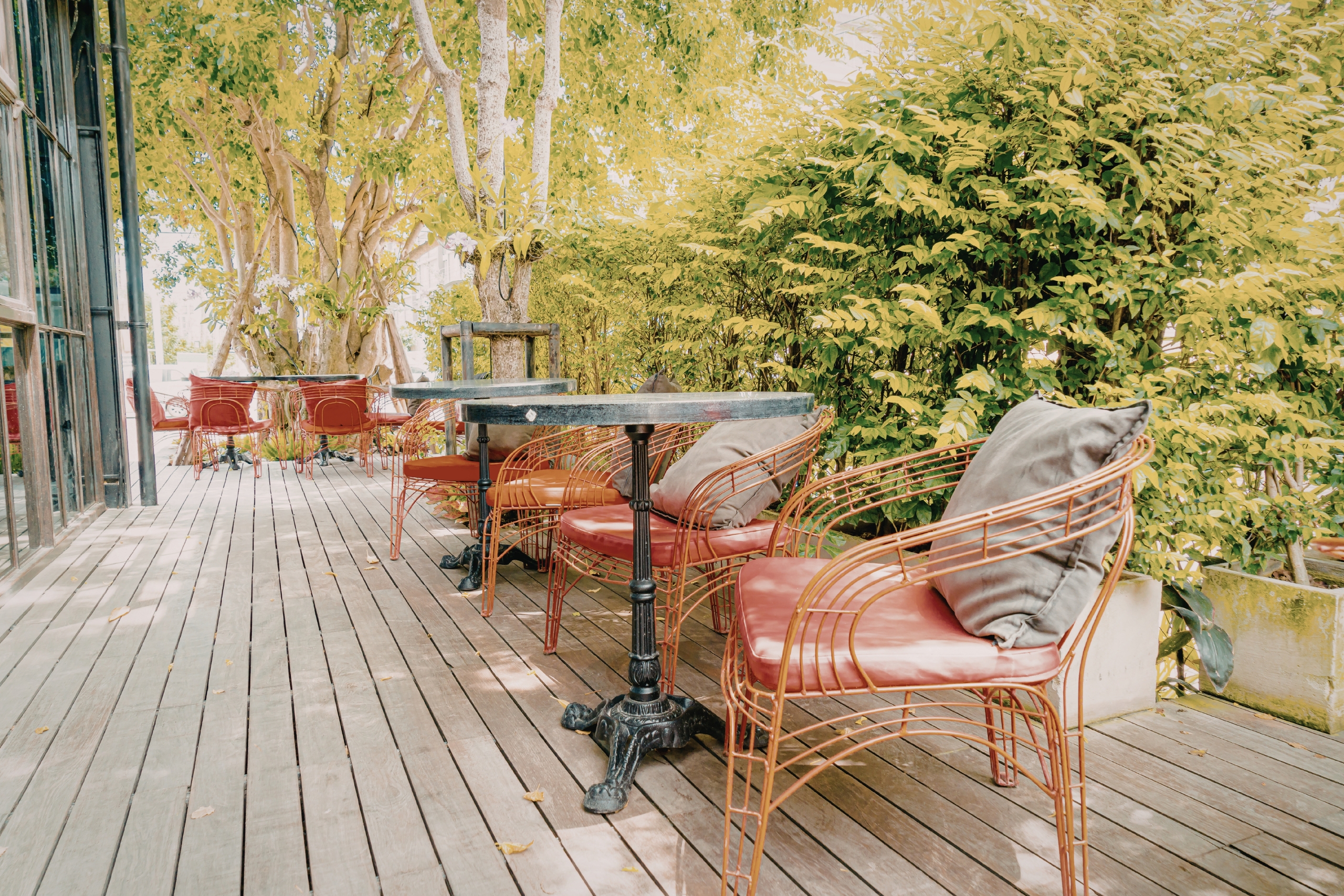
Seating capacity and configuration are the first things to address. A large sectional outdoor sofa creates a generous, conversation-friendly gathering point where multiple people can sit facing each other rather than in a rigid row. Pairing this with a generously sized outdoor dining table — one that can seat at least six to eight people comfortably — covers both the casual socializing and the sit-down dining dimensions of entertaining. Modular furniture that can be rearranged depending on the size and nature of each gathering adds flexibility that a fixed layout can never provide. Fire pit seating arrangements, where chairs are grouped in a natural circle around a central fire feature, create the kind of intimate, warm gathering atmosphere that keeps guests lingering long after dinner.
An outdoor kitchen or at minimum a well-equipped bar area transforms an entertainer’s patio from a nice space into a genuinely functional hosting environment. A built-in grill, a countertop for food preparation, a bar fridge, and a sink reduce the constant back-and-forth between indoor kitchen and outdoor space that can exhaust the host and disrupt the flow of the gathering. Ambient and task lighting is essential — string lights overhead create a warm, celebratory atmosphere after dark, while spotlights on seating areas and pathway lighting ensure safety and visibility without sacrificing mood. For the household where entertaining is a genuine passion, every design decision on the patio should ask the same question: does this make hosting easier, more comfortable, and more enjoyable for everyone involved?
The Peaceful Introvert: Designing a Private Sanctuary Outdoors
Not every household is built around social gatherings — and for the person who recharges in solitude, the patio is most valuable when it functions as a genuine outdoor sanctuary. A quiet, visually calming, and deeply private space where the demands of the world can be temporarily left behind is as legitimate a patio design goal as any entertaining-focused layout — and it requires its own specific set of design choices to achieve properly.
Privacy is the foundation of an introvert’s patio sanctuary. Tall screening plants such as bamboo, ornamental grasses, or columnar hedging create natural green walls that reduce visual exposure from neighbors and passing foot traffic without requiring hard fencing that can feel enclosed or claustrophobic. Trellises covered with climbing plants add vertical greenery that softens the space and increases the sense of being enveloped by nature rather than simply sitting in a yard. Water features — a small bubbling fountain, a wall-mounted cascade, or even a simple bowl fountain — serve the dual purpose of masking ambient street noise with a soothing sound layer while adding a meditative visual focal point that makes the space feel genuinely restorative.
Furniture for an introvert’s patio should prioritize personal comfort above capacity. A deep, cushioned daybed or a hammock suspended between two structural points invites long, unhurried reclining. A single armchair positioned to face a garden view rather than the interior of the house signals that the space is for looking outward and inward simultaneously — for the kind of quiet contemplation that a socially oriented layout simply does not support. Shade is important too — a sail shade, a pergola draped with wisteria or jasmine, or a well-positioned umbrella ensures that the retreat is usable even during the hottest parts of the day. Every element of an introvert-designed patio should communicate the same thing: this is a place to breathe, to slow down, and to simply be.
The Active Family With Children: Designing for Play, Safety, and Flexibility
A household with young or school-aged children presents one of the most genuinely challenging patio design briefs — because the needs of the adults and the needs of the children are often in direct tension, and the design needs to serve both without sacrificing either. Children need space to move, play, and express physical energy. Adults need a space that remains aesthetically pleasant, functional for relaxed outdoor use, and safe for the children using it. Getting this balance right requires thoughtful zoning, durable material choices, and flexibility built into the design from the very beginning.
Zoning is the most effective structural approach for a family patio. Dividing the outdoor space into clearly defined areas — a play zone for the children, a relaxing and dining zone for adults, and a transition zone that bridges the two — allows each area to be optimized for its specific use without the entire space being sacrificed to a single function. The play zone might include built-in sandpit storage that converts to a coffee table when not in use, a soft artificial grass section for tumbling and rough play, or a dedicated wall for chalk art. The adult zone, positioned with a clear line of sight to the play area, should use furniture that is comfortable for relaxed sitting but durable enough to withstand the inevitable contact with muddy hands, spilled juice, and enthusiastic children.
Material choices for a family patio should prioritize durability, easy cleaning, and safety above all else. Non-slip paving surfaces around water features or near pool areas are non-negotiable. Rounded rather than sharp-cornered furniture edges reduce injury risk for young children learning to navigate the space. Outdoor rugs that define seating areas add comfort and visual warmth while being easy to clean and replace as they wear. Storage is massively important in a family patio — dedicated weatherproof storage boxes for outdoor toys, cushions, garden tools, and sports equipment prevent the space from becoming permanently cluttered and make the transition from active play space to calm adult space far quicker and more manageable.
The Creative Soul: Designing a Patio That Inspires and Expresses
For the artist, the maker, the gardener, or the person who simply sees every space as an opportunity for self-expression, the patio is far more than an outdoor sitting area — it is a canvas. A creatively designed patio for this personality type is layered, eclectic, and deeply personal — full of color, texture, found objects, unexpected plant combinations, and design choices that could not have come from a catalog. It feels alive in a way that purely functional patios never quite achieve, and it evolves constantly as its owner adds, edits, and reimagines.
Color is one of the most powerful tools available to the creative patio designer. Where many patio designs default to neutral tones for safety, a creatively expressive outdoor space embraces bold, confident color choices — painted feature walls in deep terracotta, cobalt blue, or forest green; mosaic tile inserts in paving or tabletops; brightly colored outdoor cushions layered in contrasting prints; and painted pots in unexpected palettes that tie the planting scheme together with an artist’s eye. The key is not to be random but to be intentional — choosing a color story and layering it consistently throughout the space in a way that feels cohesive even when the individual elements are unconventional.
Planting for a creative patio is an opportunity for genuine artistic expression through texture, form, and unexpected combination. Mixing the architectural drama of agave and sculptural grasses with the delicate romance of climbing roses and trailing nasturtiums creates the kind of layered planting composition that looks almost accidental but is actually deeply considered. Vertical gardens on walls or fences add growing surface area to a limited footprint and create living artwork that changes with the seasons. Repurposed objects — old ladders used as plant stands, vintage crates stacked as shelving, antique door frames as garden art installations — bring a narrative and personal history to the space that new purchased items simply cannot replicate. For the creative soul, a patio is never truly finished — it is always a work in progress, and that is precisely the point.
The Nature Lover and the Wellness-Focused: Designing a Biophilic Outdoor Space
For households where a deep connection to nature, physical wellness, and mindful living are central values, the patio design philosophy shifts from decoration and entertaining toward something more intentional — a space that actively supports health, restoration, and a genuine sense of harmony with the natural world. This personality type wants to step outside and feel immediately that the world has slowed down, that air quality is better, that greenery surrounds them on multiple sides, and that the space invites mindful activity rather than passive consumption.
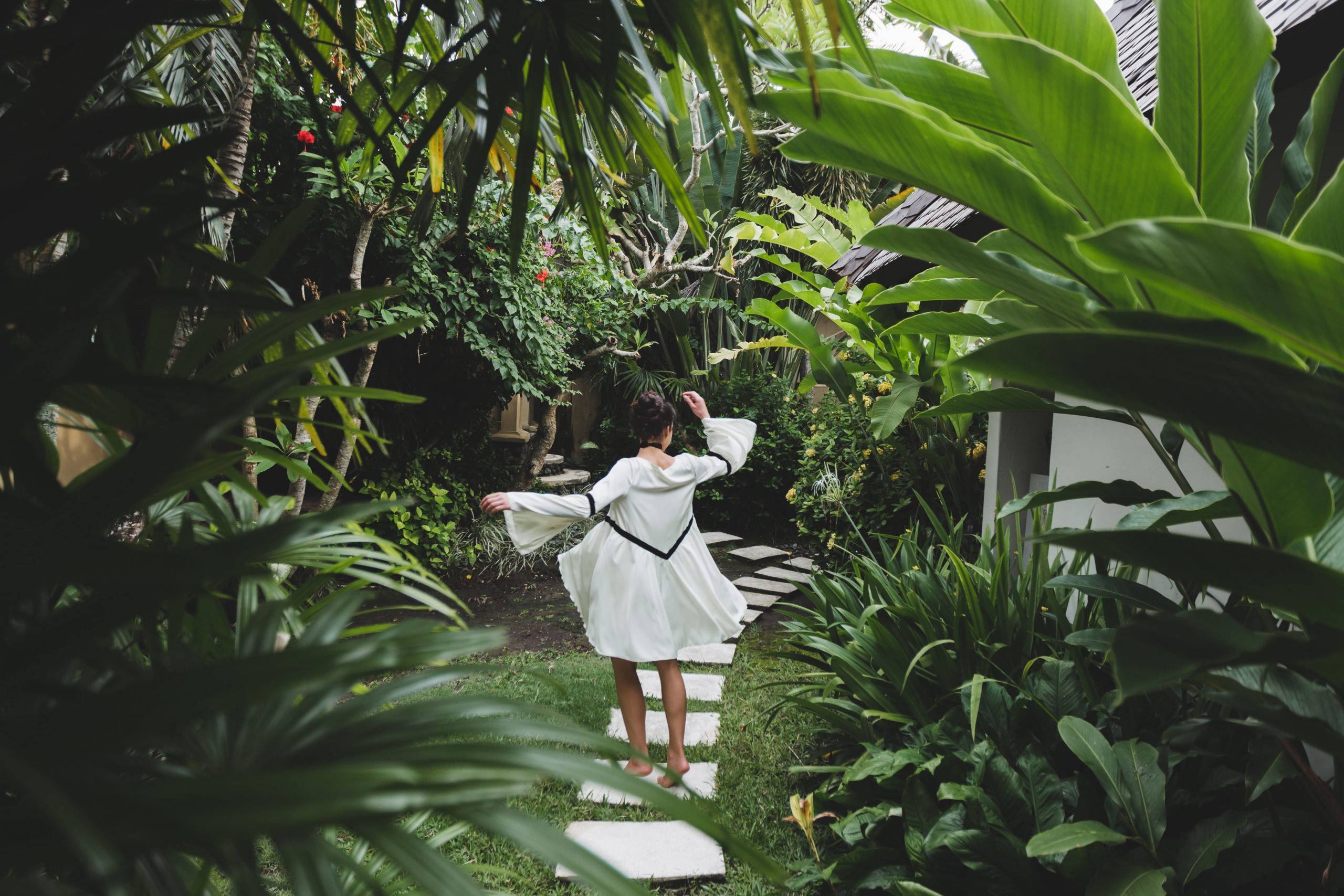
Biophilic design — the practice of creating environments that strengthen the human connection to nature — is the guiding principle for this patio type. It involves maximizing the presence of living plant material in every dimension of the space — ground level, mid-height, and overhead — so that the experience of being on the patio feels genuinely immersive rather than simply decorative. A lush green canopy overhead, created through a pergola draped with climbing plants or a mature tree trained over a seating area, creates a sense of enclosure and shelter that evokes the restorative feeling of being deep in a garden or woodland. Raised planting beds filled with herbs, edible flowers, and vegetables add a productive, sensory dimension to the space — the ability to pick fresh herbs for cooking or cut flowers for the table from your own patio is one of the most grounding and genuinely satisfying experiences a home garden can offer.
In the broader world of home and garden design, the wellness-focused patio is the category that has grown most rapidly in recent years — driven by a widespread and research-supported recognition that regular contact with nature, fresh air, and natural light delivers measurable benefits to both physical and mental health. A yoga or meditation corner with a smooth, level surface, appropriate shade, and enough privacy to practice without self-consciousness transforms the patio into a daily wellness tool rather than a weekend sitting area. An outdoor shower for rinsing after gardening or morning exercise, a small cold plunge or spa feature for hydrotherapy, and carefully chosen aromatherapy planting — lavender, rosemary, jasmine, and mint planted where they will be brushed against and release their fragrance — all contribute to a patio that engages every sense and delivers genuine restorative value every time it is stepped into.
Conclusion
The best patio is not the one with the most expensive furniture or the most elaborate design — it is the one that fits the people who use it so naturally that it feels like it could not have been designed any other way. Whether the household calls for a sociable entertaining hub, a private contemplative retreat, a robust and flexible family play space, a creatively expressive outdoor canvas, or a nature-immersed wellness sanctuary, the starting point is always the same: understanding the real personalities, habits, and values of the people the space is being designed for. Every material choice, every furniture decision, every planting selection, and every lighting element should serve those personalities directly rather than following a generic design trend that looks appealing in a magazine but feels hollow in real life. A patio designed around the people who live in it becomes one of the most genuinely used and deeply loved spaces in any home — and that, ultimately, is the only measure of a great outdoor design that truly matters.